Microservices
Two Generals and Why Exactly Once Delivery Is Hard
Why exactly once delivery is hard: the Two Generals problem, at-least-once and at-most-once semantics, and how Kafka and idempotence give effectively once.
5 min read
Everything you need to level up your coding skills.
Why exactly once delivery is hard: the Two Generals problem, at-least-once and at-most-once semantics, and how Kafka and idempotence give effectively once.
Implement soft deletes with Hibernate: the @SoftDelete annotation, filtering deleted rows, restoring, unique constraints and when a real delete is better.
Compare Hibernate, Spring JdbcClient and jOOQ for reporting queries with grouping, windows and large result sets, and pick one by the shape of the query.
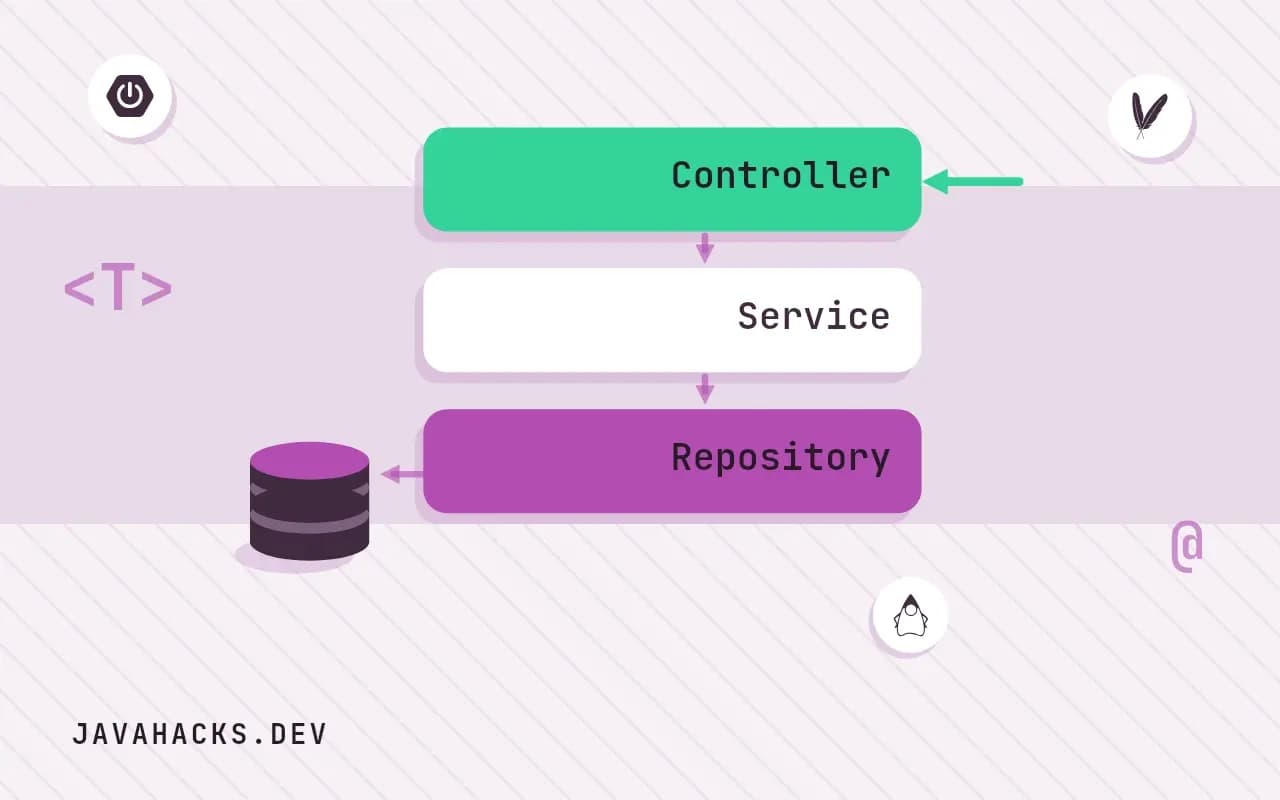
What the single responsibility principle really means in Java: one reason to change, how to find a class doing too much and how far to split it.
What the dependency inversion principle means in Java, how it differs from dependency injection and why the interface should belong to the code that uses it.
Decide what is an entity, a value object and an aggregate in a Java domain model, size aggregates by consistency rules and avoid the common mapping traps.
Compare constructor, setter and field injection in Spring on immutability, testing, circular dependencies and required versus optional collaborators.
Enforce package and module boundaries in Java with ArchUnit rules and Spring Modulith's verify, so architecture decisions fail the build instead of drifting.
Implement the saga pattern in Java: choreography versus orchestration, compensating actions, persisted state and failure handling.
Where Vaadin fits badly: public sites, huge concurrency, offline apps and heavy custom UI. How to tell early, and what to choose in each case.
Choose between Lombok, records and hand written classes by looking at the type: value objects, JPA entities, builders and mutable beans each have a best fit.
Implement event sourcing and CQRS in Java: an event store, aggregates rebuilt from events, projections for reads, snapshots and when the cost is justified.
We send one email when a new post is published. No spam.