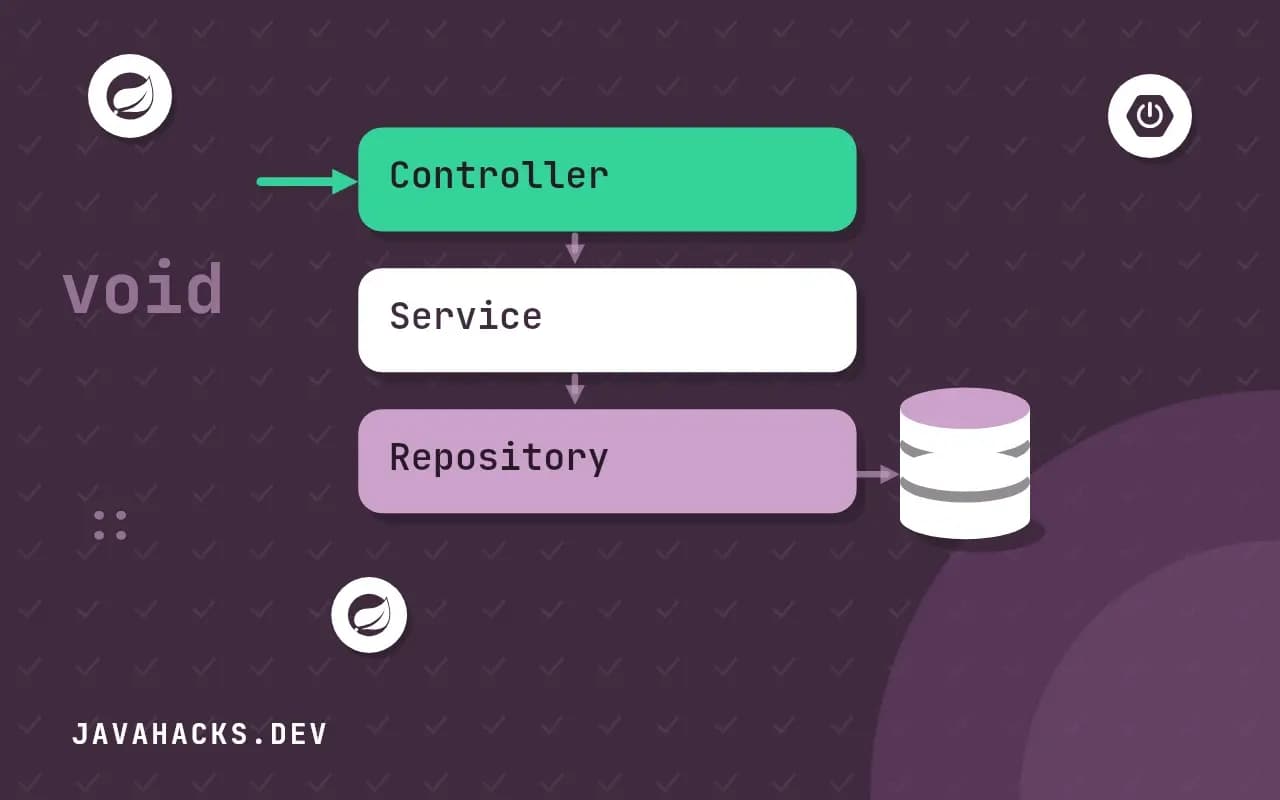
Architecture
Dependency Inversion in Java and Spring Beyond the Slogan
What the dependency inversion principle means in Java, how it differs from dependency injection and why the interface should belong to the code that uses it.
6 min read
Everything you need to level up your coding skills.
What the dependency inversion principle means in Java, how it differs from dependency injection and why the interface should belong to the code that uses it.
The security habits a Java backend needs: validate input, hash passwords, use SecureRandom, protect secrets, restrict deserialization and update dependencies.
Recognize a Java deadlock in a thread dump, find the two locks and threads involved, and remove the cycle with lock ordering, timeouts or smaller locks.
Run the OpenRewrite javax to jakarta recipe on a Maven or Gradle project, review the diff, fix the leftovers and verify the result with tests.
Run real PostgreSQL or MySQL in Java tests with Testcontainers: dependencies, JUnit extension, JDBC URL, migrations, performance tips and Docker requirements.
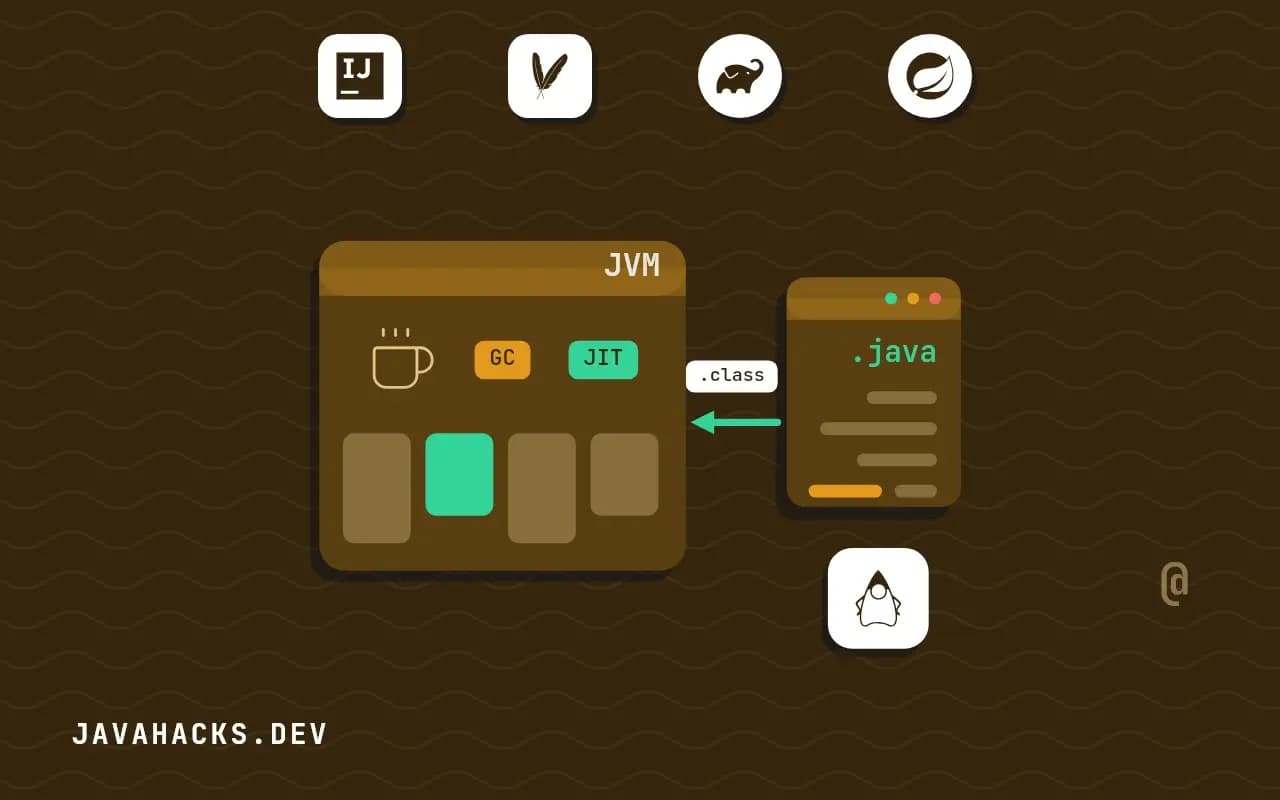
Understand JIT tiered compilation: the interpreter, C1 and C2 tiers, profiling, inlining, deoptimization, warm up and the flags that matter.
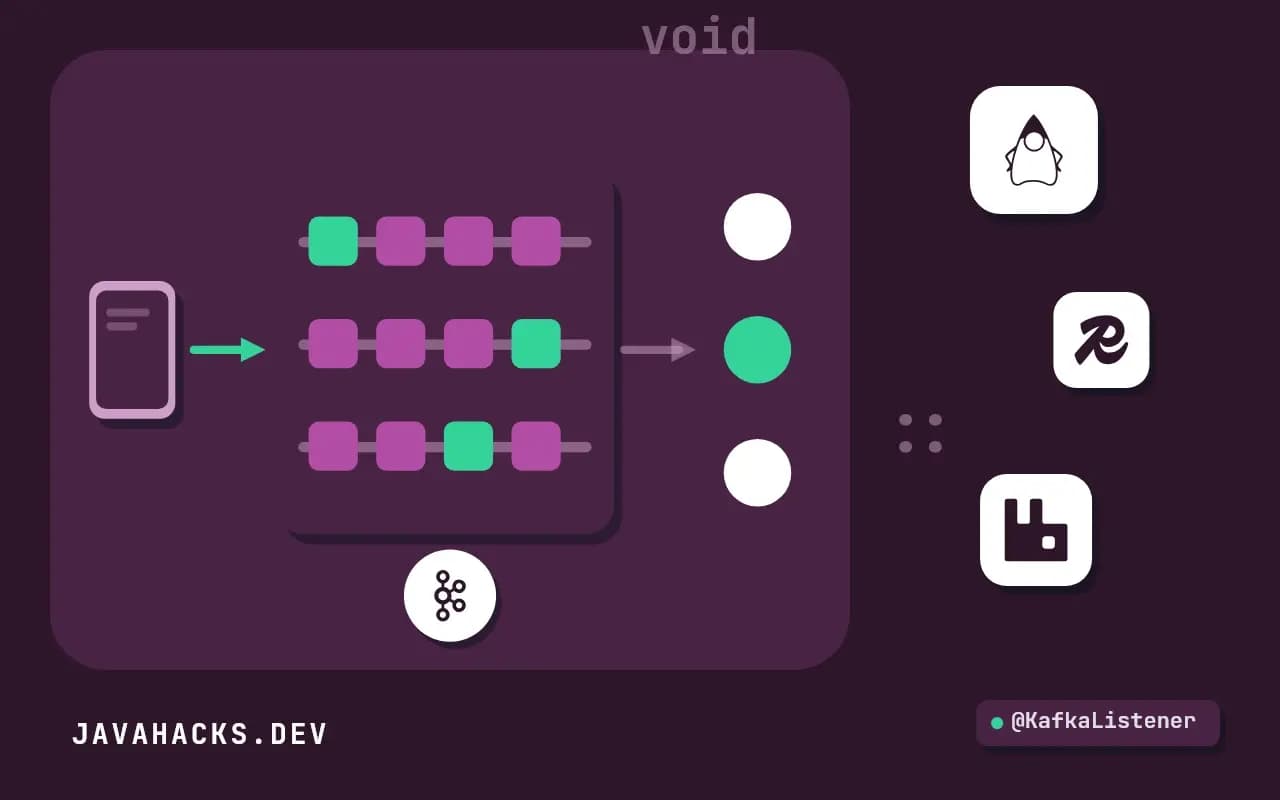
Handle Kafka consumer rebalances and offset commits in Java: ConsumerRebalanceListener, manual commits, cooperative rebalancing and avoiding duplicates.
Learn how Quarkus ArC implements CDI: scopes, injection, producers, qualifiers, events and interceptors, and the build time rules that differ from full CDI.
Understand JSF view state: server side versus client side saving, session memory per view, the number of views setting and how to keep it small.
Set timeouts with @Timeout and assertTimeout in JUnit 5, understand threading differences, and handle flaky tests without hiding real bugs through retries.
See what Hibernate really sends to the database: SQL logging with bind values, statistics, slow query logs, flush timing and detecting N plus 1 problems.
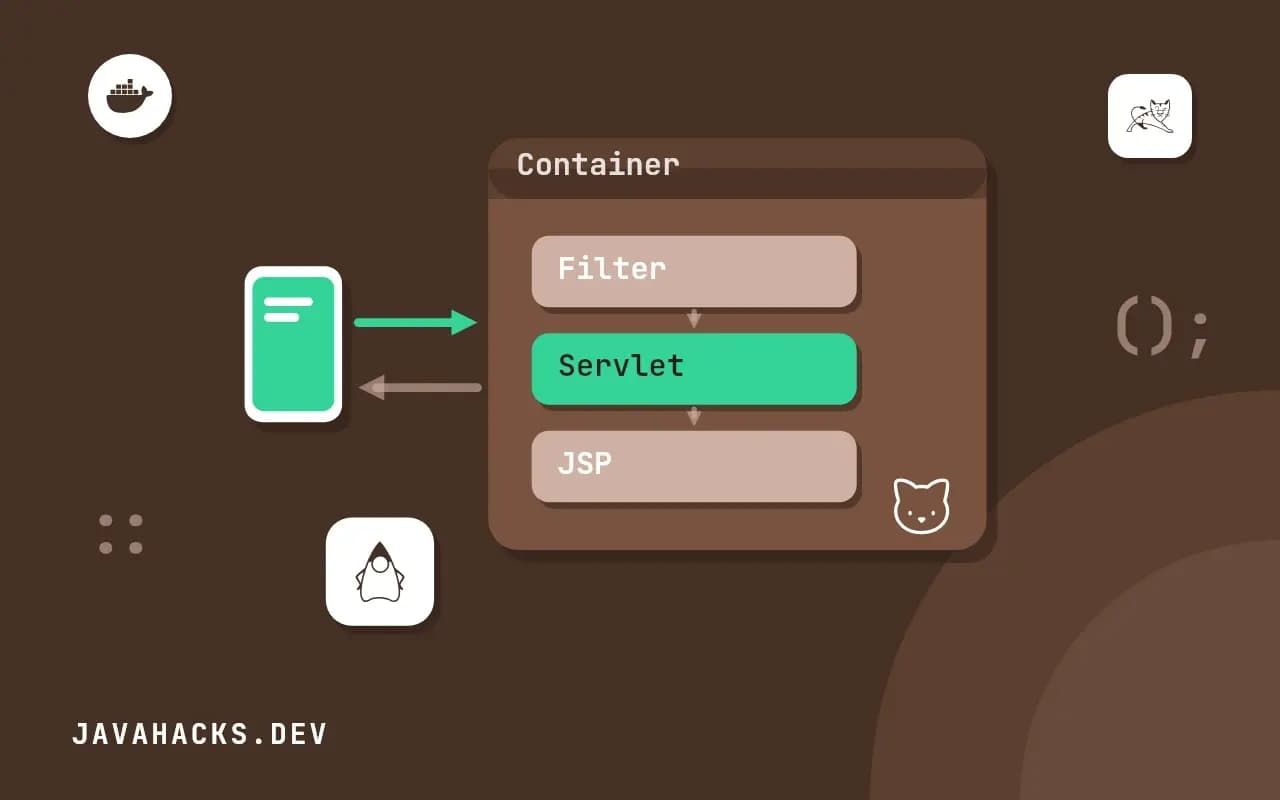
Fix the Struts 2 missing result error by mapping the code the action returned, usually input after a validation failure, and checking the package.
We send one email when a new post is published. No spam.