Spring Boot
Spring Boot Configuration Precedence Order Explained
Learn the order in which Spring Boot reads configuration: command line, environment, profile files, application files and defaults.
6 min read
Tag
99 posts
Learn the order in which Spring Boot reads configuration: command line, environment, profile files, application files and defaults.
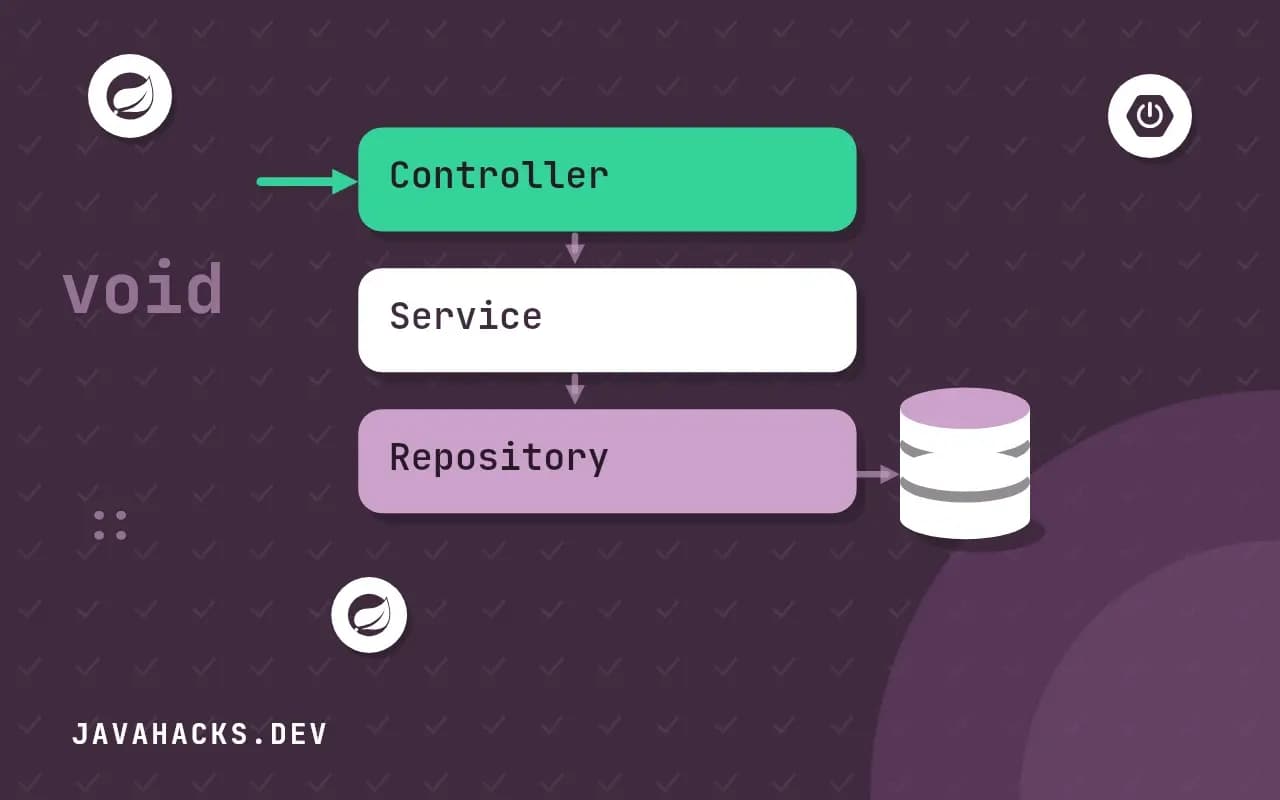
What the dependency inversion principle means in Java, how it differs from dependency injection and why the interface should belong to the code that uses it.
The security habits a Java backend needs: validate input, hash passwords, use SecureRandom, protect secrets, restrict deserialization and update dependencies.
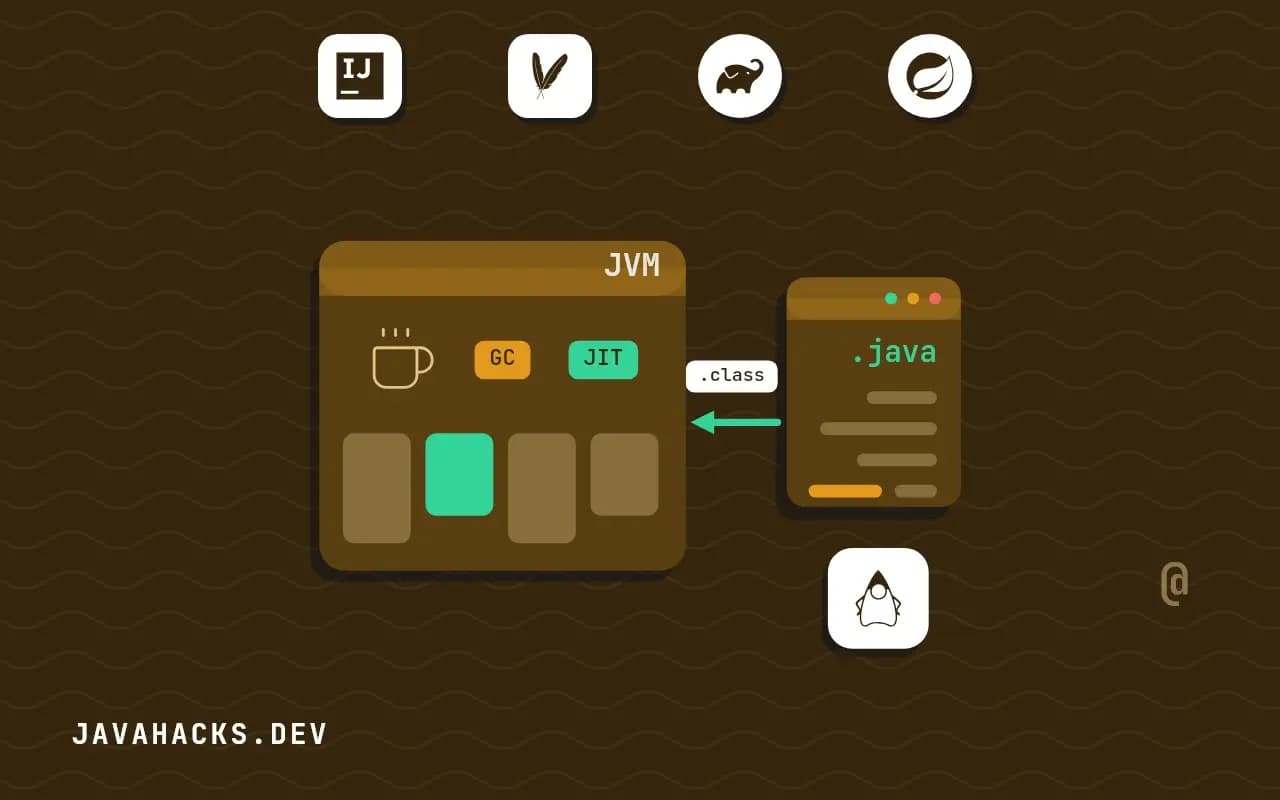
Understand JIT tiered compilation: the interpreter, C1 and C2 tiers, profiling, inlining, deoptimization, warm up and the flags that matter.
Understand JSF view state: server side versus client side saving, session memory per view, the number of views setting and how to keep it small.
Decide what is an entity, a value object and an aggregate in a Java domain model, size aggregates by consistency rules and avoid the common mapping traps.
How the JVM finds and frees unreachable objects, why most collectors are generational, how G1 and ZGC differ and what pause and throughput really mean.
Learn how JSF navigation works: implicit outcomes, faces-redirect, h:link versus h:commandLink, keeping messages and explicit navigation rules.
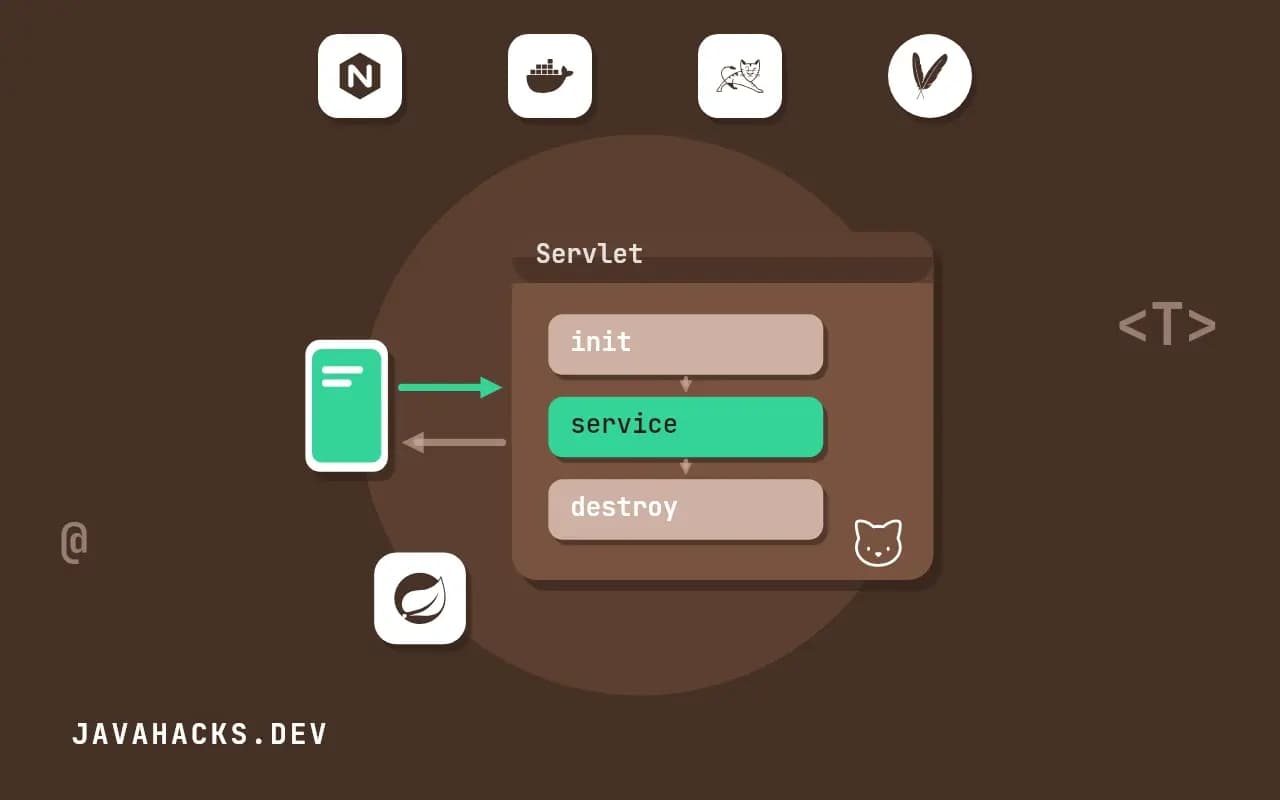
Follow a request through the Struts 2 filter, action mapping, interceptor stack, your action and the result, and see how it compares with Spring MVC.
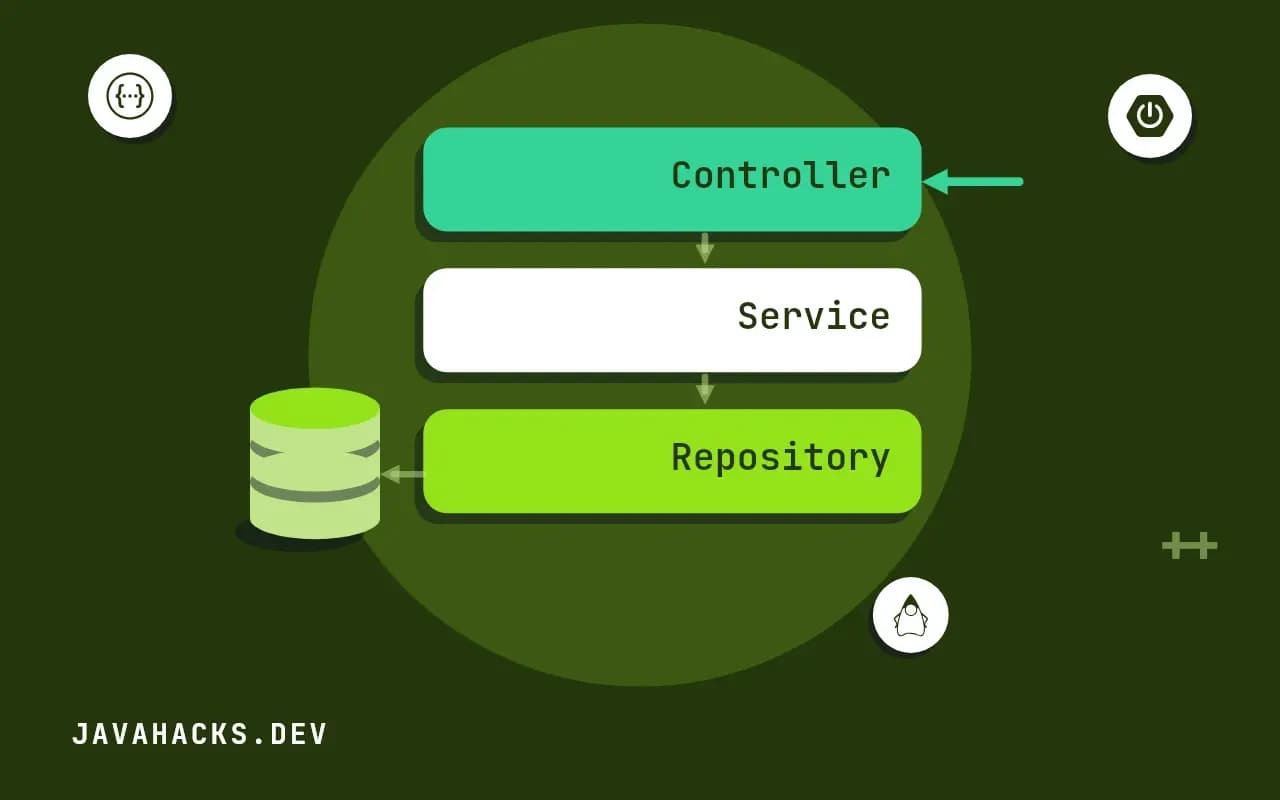
How Play handles a request through the Pekko HTTP server, router, filters and actions, and how action composition adds behavior such as authentication.
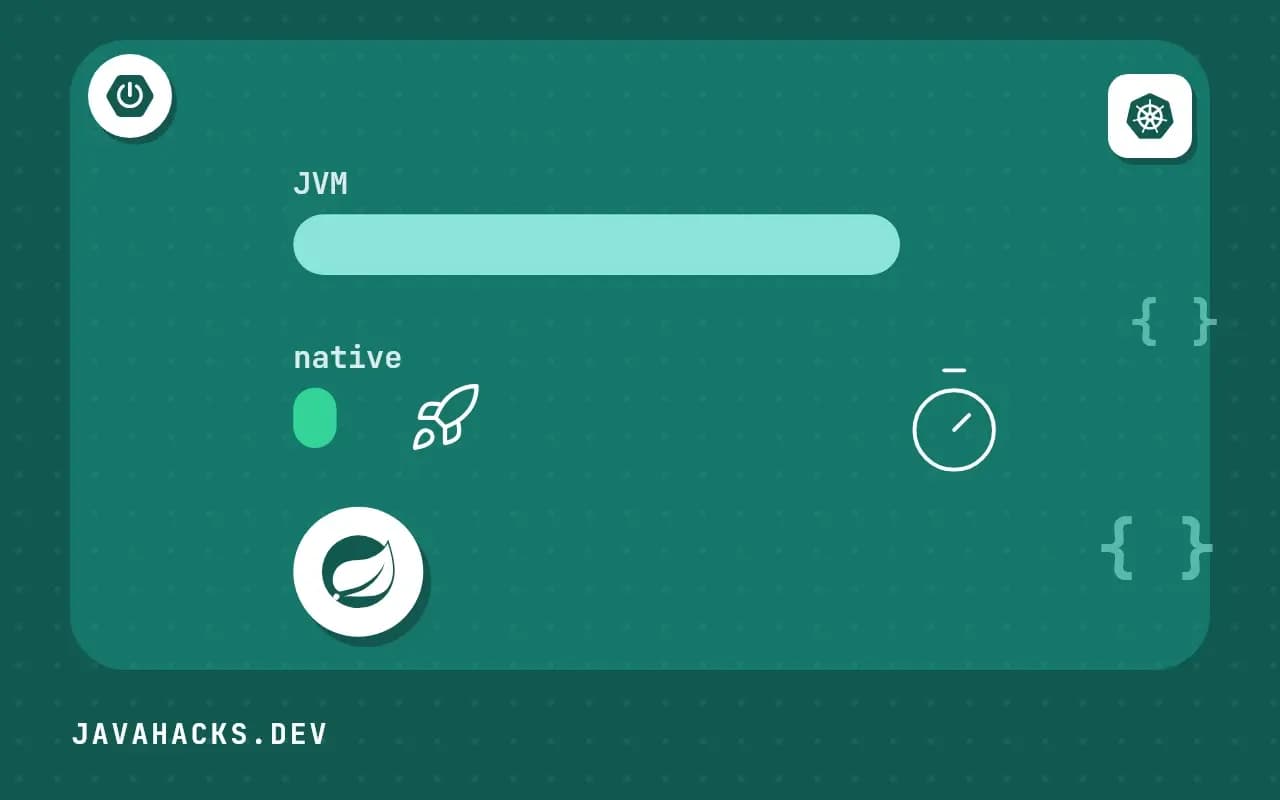
Micronaut generates its dependency injection code during compilation instead of scanning at startup. See what that gives you and what it costs.
What compile, provided, runtime and test scopes mean, which classpaths each one joins, how scope changes transitively and where the import scope fits.