Quarkus
Quarkus Build Time Processing Explained With Examples
How Quarkus extensions run build steps, which configuration is fixed at build time, and what that changes about properties, profiles and library choices.
7 min read
Tag
99 posts
How Quarkus extensions run build steps, which configuration is fixed at build time, and what that changes about properties, profiles and library choices.
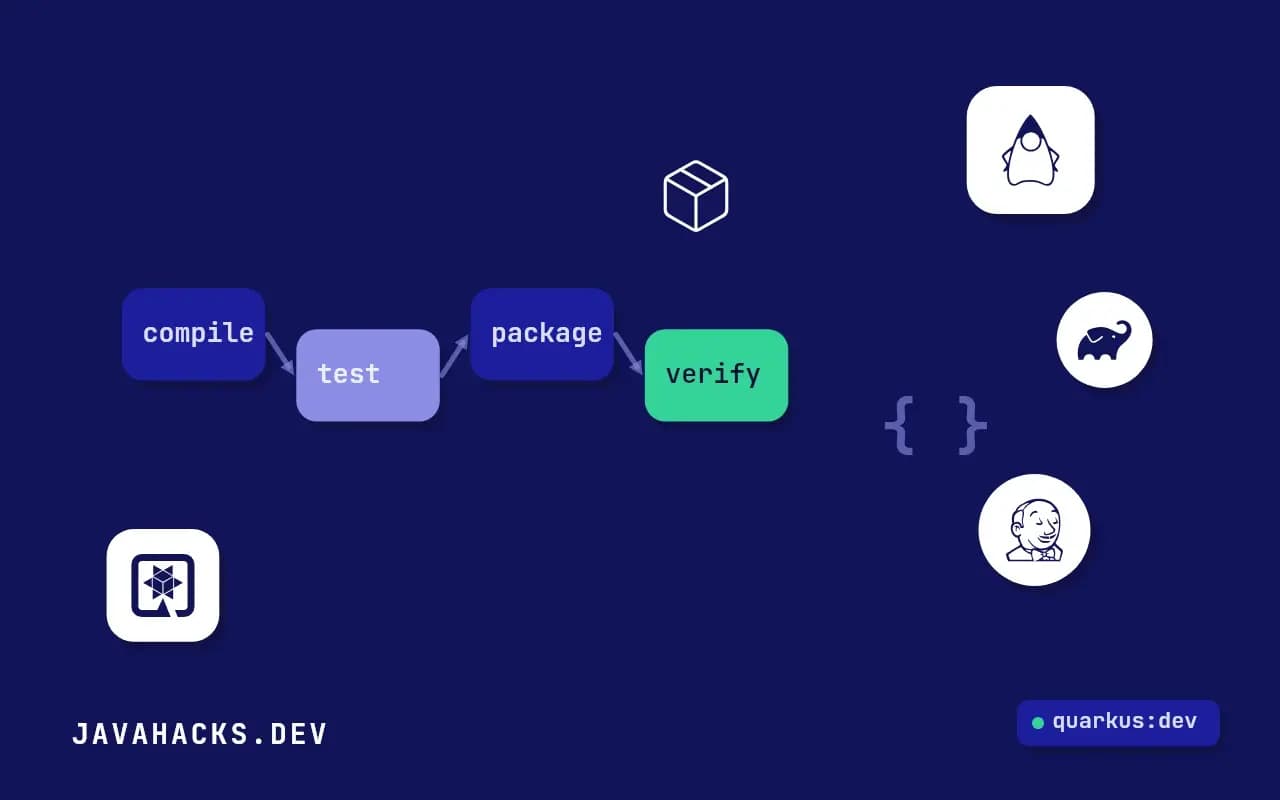
Why Quarkus starts quickly: it moves annotation scanning, dependency injection wiring and proxy generation from application startup to the build.
JUnit 5 is a Platform, an engine called Jupiter and a Vintage engine for old tests. See how they fit together and why it explains most setup errors.
See when BeforeAll, BeforeEach, AfterEach and AfterAll run, how nested classes and instance lifecycles change that order and how to control test order.
A rule for choosing what to mock in Java tests: replace what you do not own or cannot run cheaply, and keep real the code whose behavior you are testing.
Tell dummies, stubs, spies, mocks and fakes apart with a Java example of each, and learn which one to reach for in a given test.
What the test pyramid says, why it fits business logic and fits badly for services that mostly connect a database to a queue, and what to draw instead.

Vaadin Flow keeps the component tree on the server and syncs a thin browser client with it. See what that means for state, memory, threads and security.
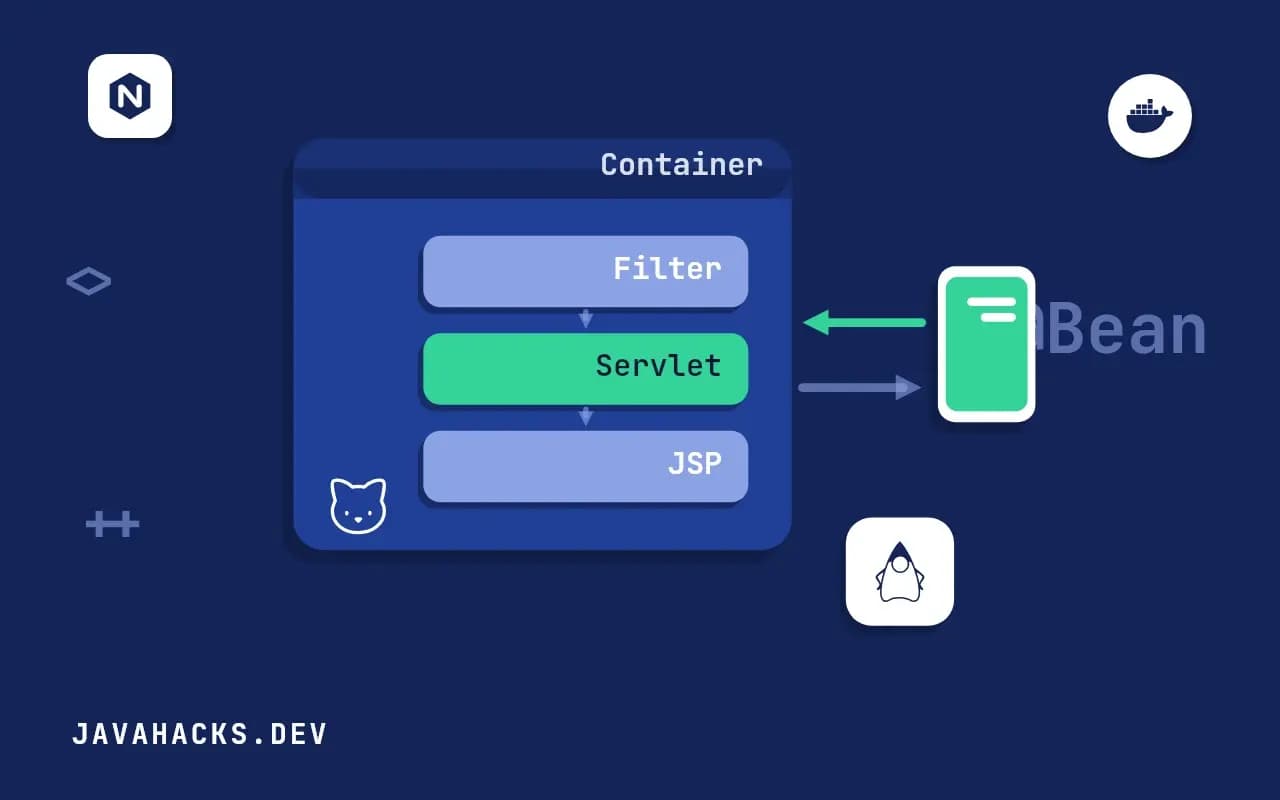
Jakarta EE is the open specification platform that continues Java EE under the Eclipse Foundation. See what it contains, how releases work and who uses it.

Watch the six Faces lifecycle phases run with a PhaseListener, and see why a failed validation skips the action method and why AJAX may run fewer phases.
Pick between request, view, session and application scope for a Faces bean, with an example of what goes wrong when the scope is too short or too long.
How Faces expressions read and write bean properties, when immediate and deferred evaluation matter, and the operators and implicit objects you will use.