Architecture
Clean Architecture in Java and Where It Gets Heavy
Clean architecture's four rings applied to a Java service, what it buys in testing and framework independence, and the point where the ceremony costs more.
7 min read
Tag
99 posts
Clean architecture's four rings applied to a Java service, what it buys in testing and framework independence, and the point where the ceremony costs more.
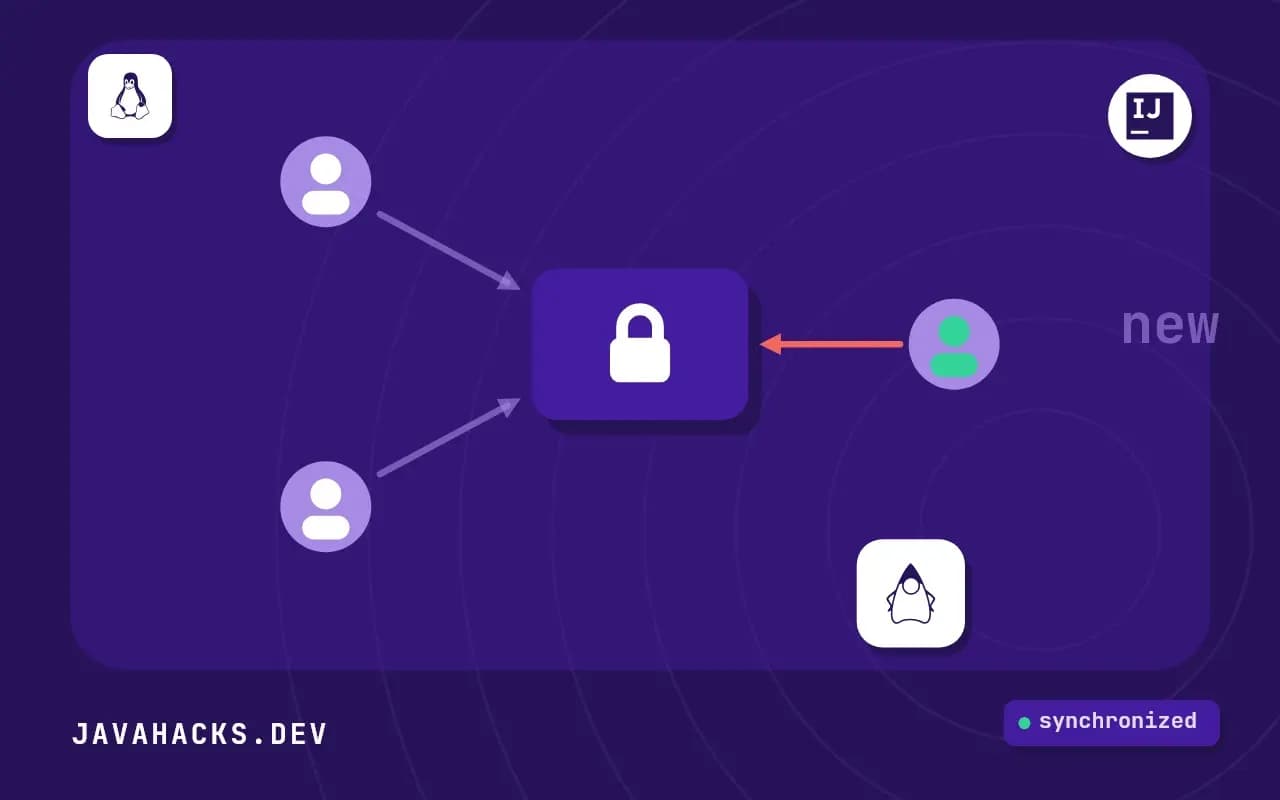
How synchronized uses monitors, what lock contention looks like in a thread dump, how to shrink critical sections and what changed for virtual threads.
Learn Jakarta CDI: bean discovery, scopes, injection, qualifiers, producers, observers and events, interceptors and how CDI compares with Spring.
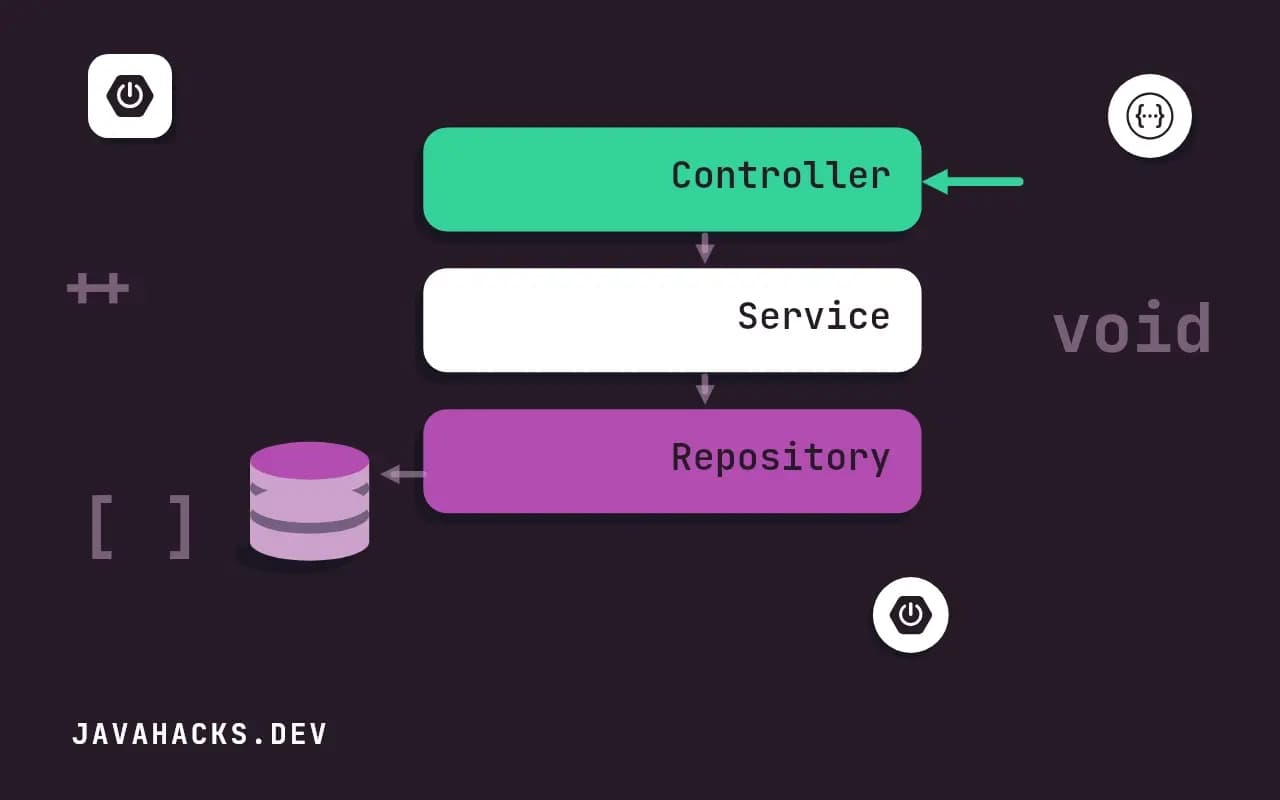
Controller, service and repository layers in Spring Boot: what they give a simple application, where they leak and what to change when the domain grows.
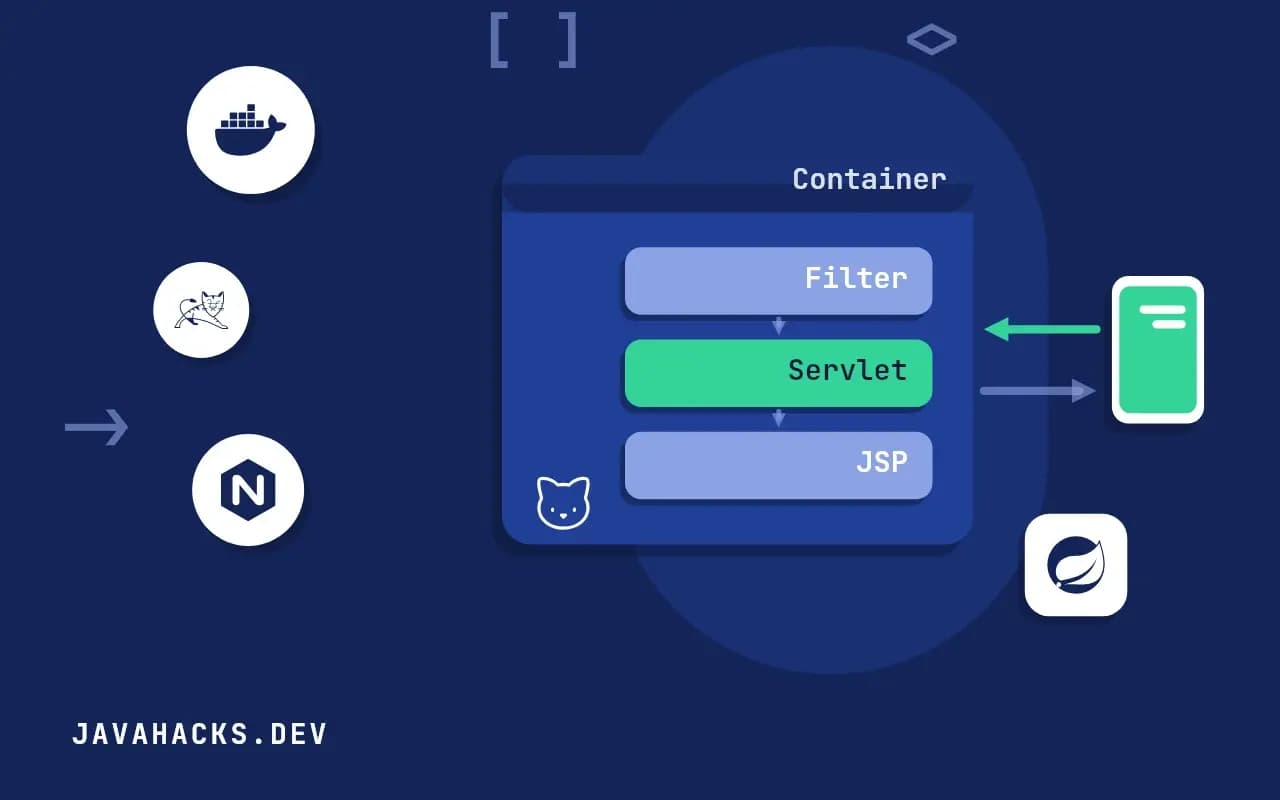
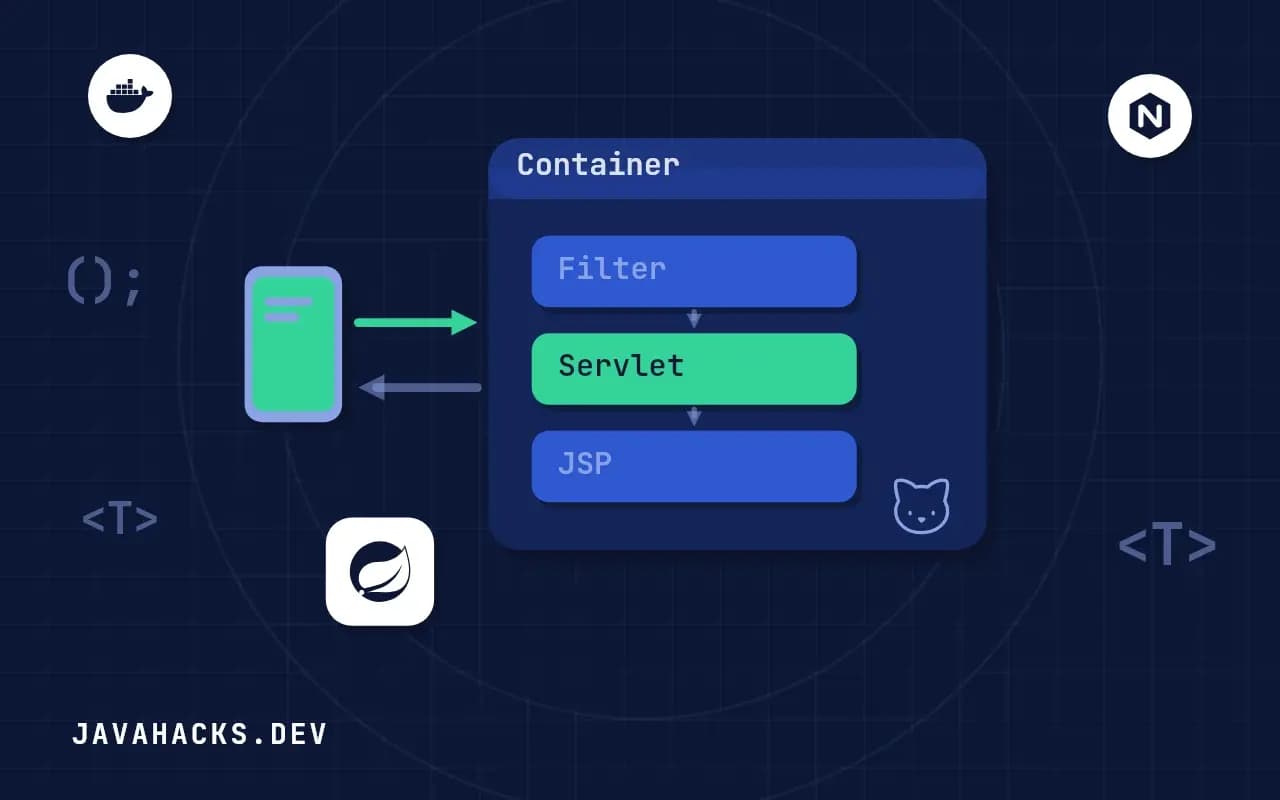
Understand Jakarta Servlets directly: the container lifecycle, HttpServlet, filters, listeners, sessions and async processing, with a minimal app on Tomcat.
The CAP theorem explained for Java services: consistency, availability and partition tolerance, and how it shapes database and design choices.
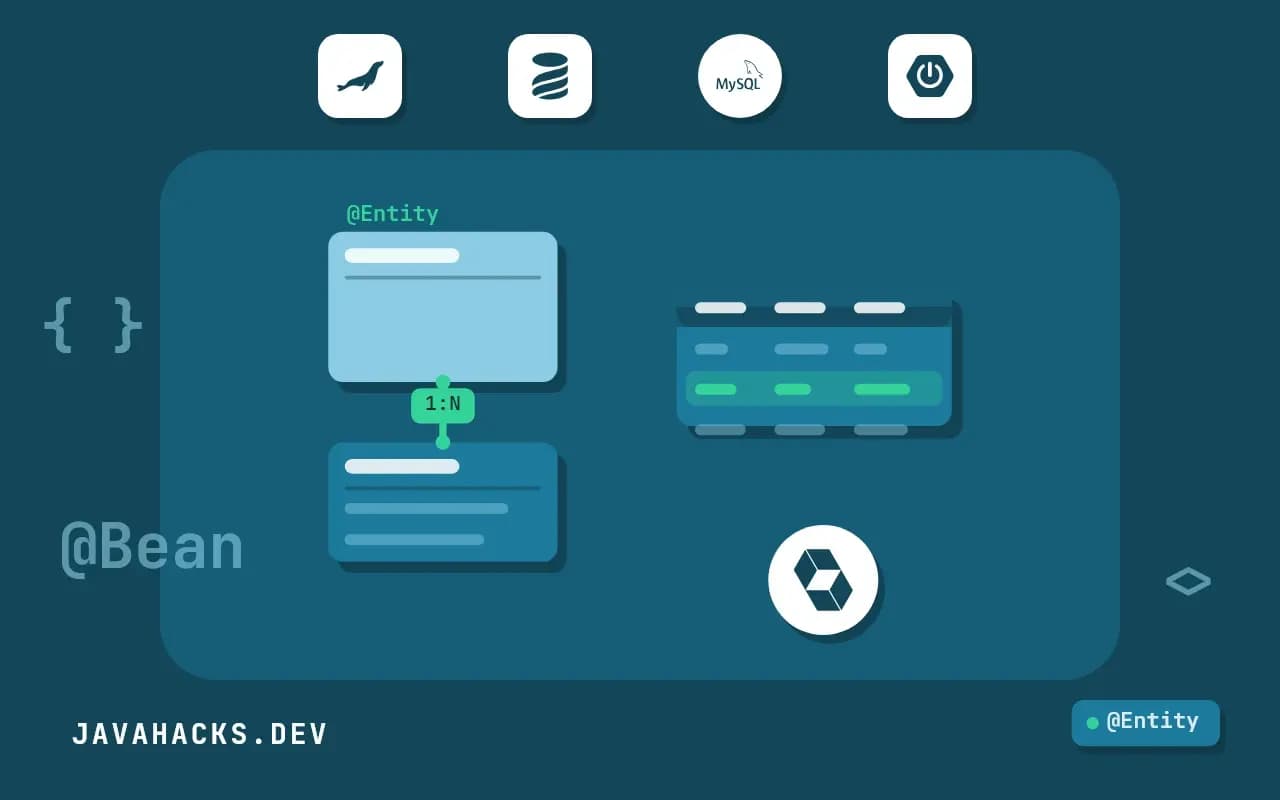
The four Hibernate entity states, transient, managed, detached and removed, how the persistence context tracks them and how persist and merge move them.
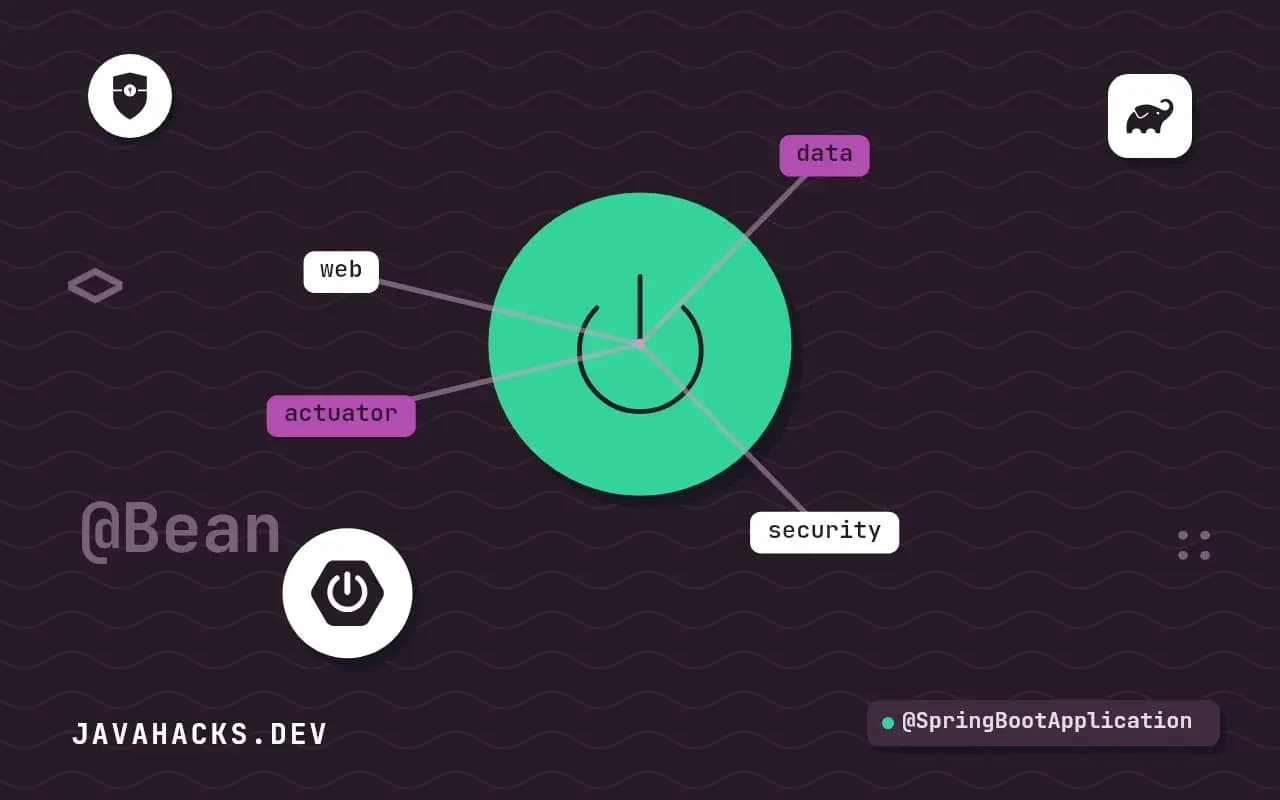
Lay out a Spring Boot project so component scanning finds your beans, packages follow features, and the structure survives growth from one team to several.
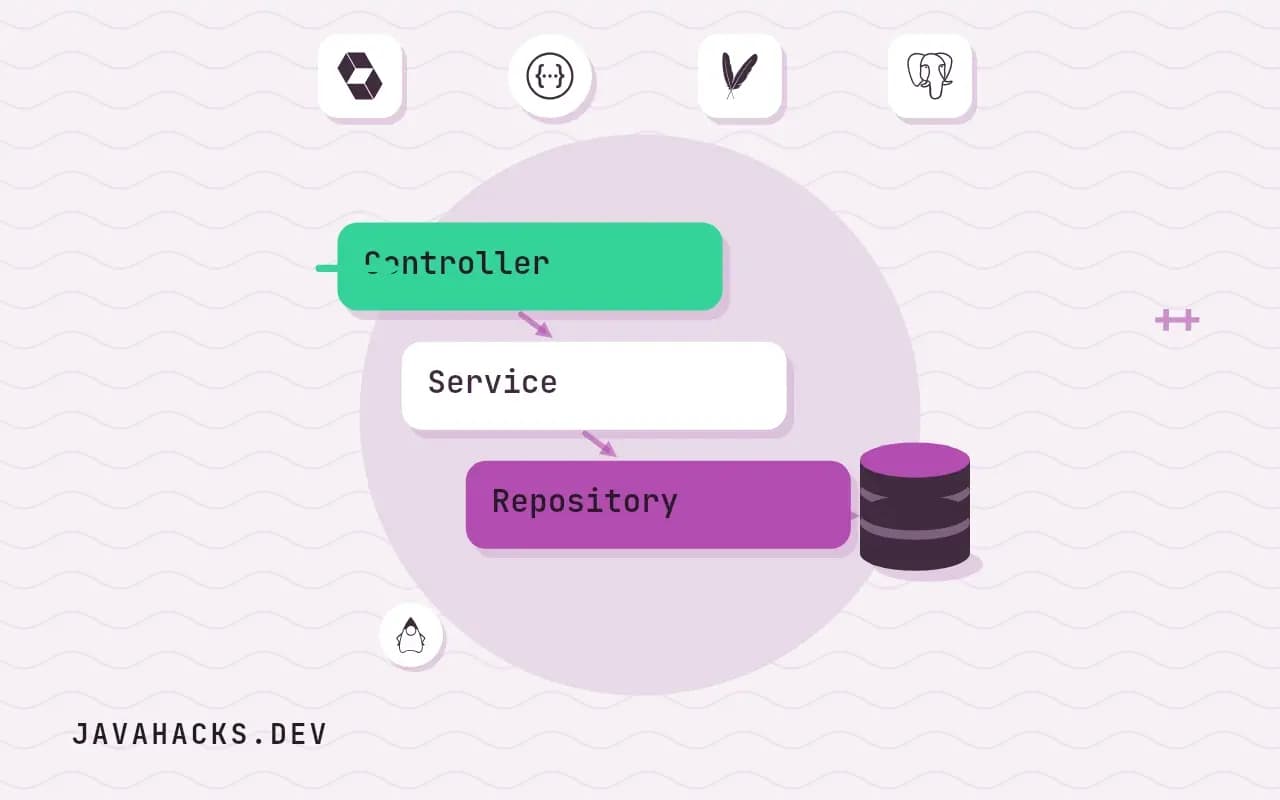
The building blocks of domain-driven design in Java: entities, value objects, aggregates, repositories, domain services and events, with short code for each.
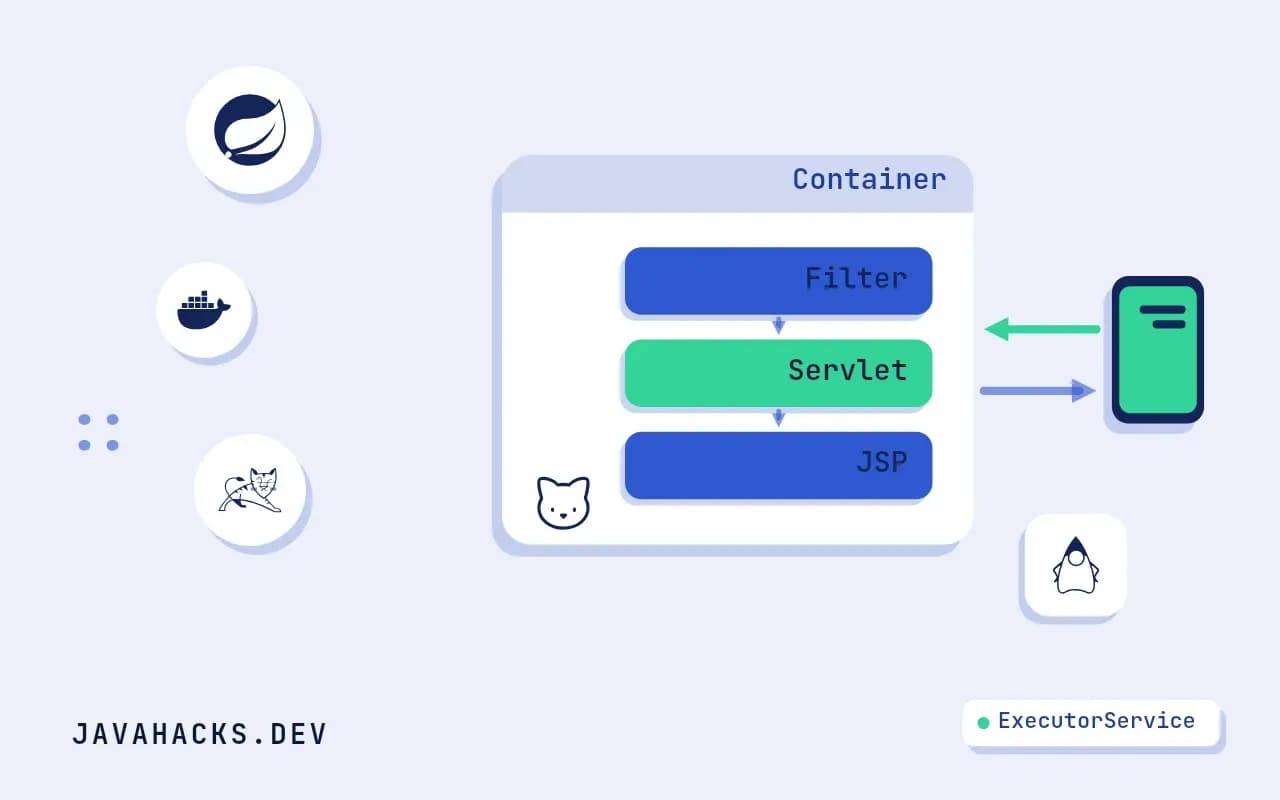
Learn Jakarta Concurrency: ManagedExecutorService, scheduled executors, context propagation, the Asynchronous annotation and virtual threads.
Eventual consistency explained for Java developers: why it exists, read your writes problems, design patterns for UIs and APIs and how to handle conflicts.
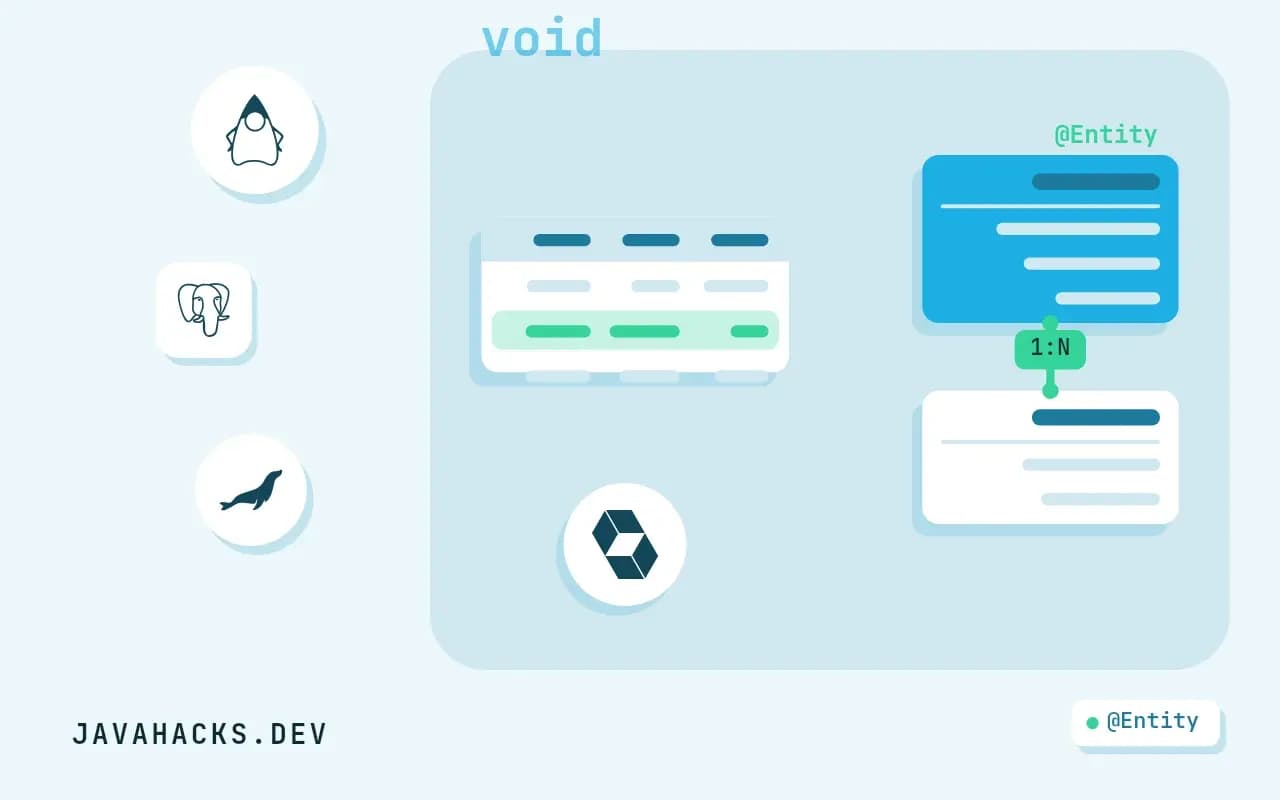
How Hibernate dirty checking decides which entities to UPDATE at flush: snapshots, comparison cost, DynamicUpdate and bytecode enhancement.